
Services | Conditions Treated
Medication Management & Therapy
At Centerpointe Psychiatry, we believe in a balanced approach that blends medication management with psychotherapeutic support. Medications can be a powerful tool in treating conditions like depression, anxiety, bipolar disorder, and more; however, we also recognize the importance of addressing the emotional and behavioral aspects of mental health.
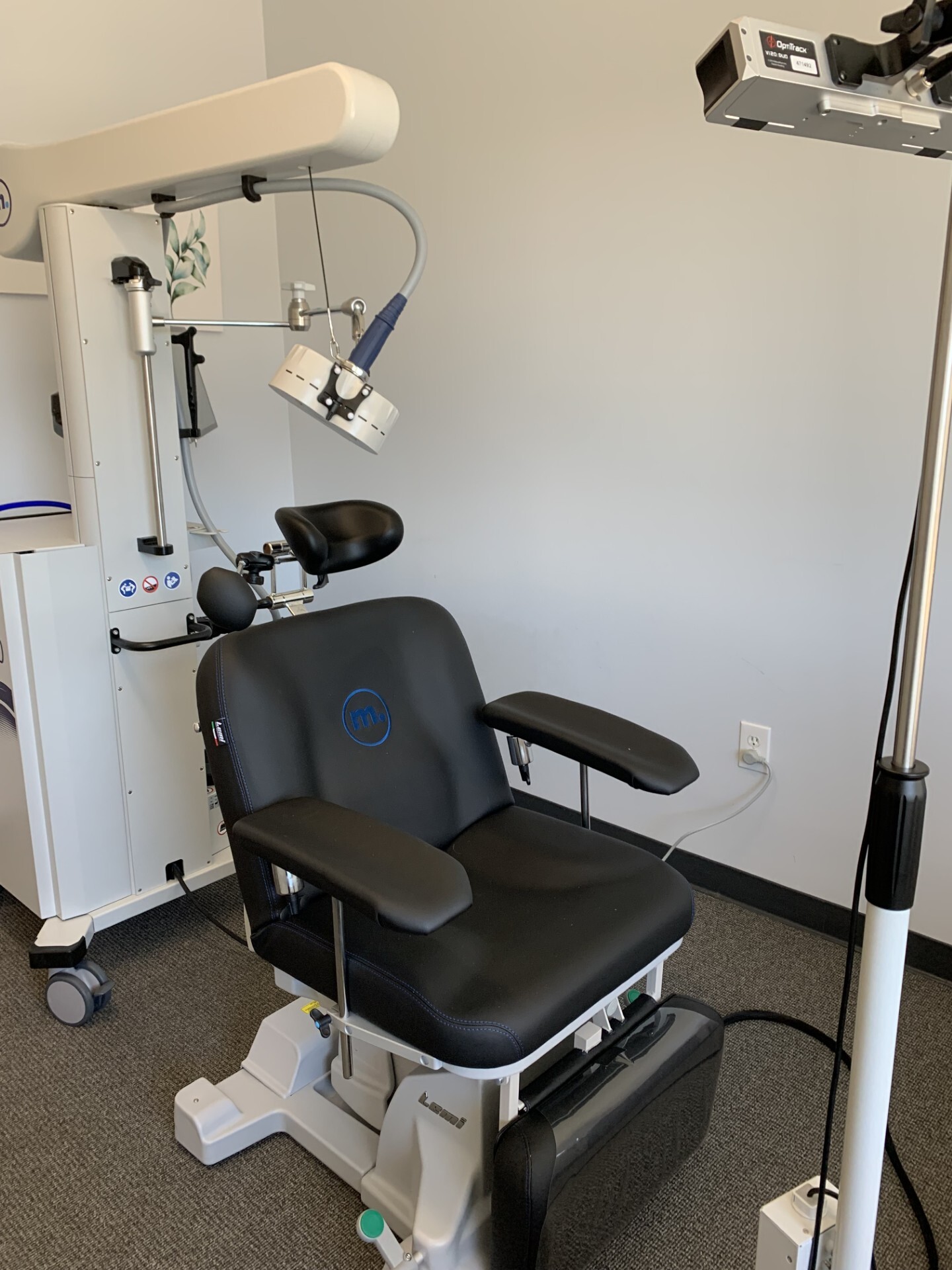
By combining the right medication dose with individualized therapy and, when appropriate, Transcranial Magnetic Stimulation (TMS), our goal is to help you find long-lasting relief and a renewed sense of well-being.


The Bio-Psycho-Social Model of Treatment
We use a bio-psycho-social framework to guide every treatment plan. Simply put, we look at how biological, psychological, and social factors all work together — because mental health is never just one-dimensional.
- Bio (Biological Factors)
- Brain chemistry, genetics, organ function (such as liver, kidneys, or the motor system) all play a role in mental health.
- Understanding how each of these elements impacts your well-being helps us tailor medications or other medical interventions effectively.
- Psycho (Psychological Factors)
- Thoughts, emotions, and behaviors can lead to patterns like low self-esteem, fear of judgment, or withdrawal from daily life.
- By identifying these thought-behavior loops, we can break cycles of depression, anxiety, insomnia, and more, often using therapies like CBT (Cognitive Behavioral Therapy).
- Social (Environmental & Social Influences)
- Life stressors, such as relationship challenges, financial concerns, or workplace pressures, can worsen mental health and trigger new symptoms.
- Recognizing how your social environment shapes your emotional state helps us develop strategies that reduce stress and foster resilience.
All three elements are interconnected: biology can influence psychology, which affects social well-being, and the cycle continues. By addressing every layer of your experience, we craft a well-rounded approach that promotes true healing.
Treatment Philosophy
“Getting to know you in the context of biological, psychological, and social factors involves a comprehensive diagnostic evaluation: reviewing symptoms, past treatments, medical history, family background, and social influences. Once we have a ‘working’ diagnosis, we formulate a plan that often begins with certain medications and may include therapy referrals or additional testing. While every medication management visit integrates some therapeutic elements, more intensive therapy could be recommended in specific situations.”
At Centerpointe Psychiatry, trust is at the heart of every doctor-patient relationship. You should feel comfortable sharing all the details — medications, supplements, lifestyle habits — that could influence your mental health. Likewise, we’re committed to ongoing education and staying up to date on emerging treatments, whether through formal continuing medical education (CME) or personal research. We don’t claim to know everything, but we learn alongside you, always with your best outcome in mind.
If you’re ready to explore a holistic, evidence-based approach to mental health care, we invite you to reach out. We’ll work together to find solutions that fit your unique needs and make your life journey the best it can be from a mental health perspective.
Conditions Treated
Geriatric Specialization
-
Aging is a natural part of life, but it often brings unique mental health challenges. Geriatric psychiatrists specialize in understanding and treating the mental conditions of older adults (typically 65 and older). They have:
- 4 years of general psychiatry residency
- 1 additional year of specialty training in geriatric psychiatry
This advanced training equips them to recognize and address issues like depression, dementia, and cognitive disorders in seniors. At Centerpointe Psychiatry, we collaborate with family members, primary care physicians, and other specialists to create comprehensive care plans that support older adults’ emotional and cognitive needs.
Dementia & Cognitive Disorders
Dementia (now often labeled major neurocognitive disorder) describes a decline in two or more areas of cognitive function, including memory, attention, language, executive functioning, and social cognition. The most common cause is Alzheimer’s disease, but other forms include vascular dementia, Lewy body dementia, and frontotemporal dementia.
- Certain conditions, like severe depression (“pseudodementia”), thyroid disease, or vitamin deficiencies, can appear similar to dementia.
- A thorough workup may involve lab tests, brain imaging, and detailed clinical history to ensure an accurate diagnosis.
- Though medications (like cholinesterase inhibitors) may provide mild benefits, managing mood changes, insomnia, and behavioral symptoms often requires ongoing medication adjustments and careful monitoring.
Delirium
Delirium is a sudden change in mental abilities, leading to confused thinking and reduced awareness of the environment. This rapid onset, typically over hours or days, can stem from:
- Acute or chronic illnesses
- Metabolic imbalances (e.g., low sodium)
- Medication side effects
- Infections
- Post-surgical recovery
- Alcohol or drug withdrawal
Because delirium and dementia can look alike, input from family or caregivers can be crucial in making an accurate diagnosis. Proper treatment and monitoring often help seniors recover their baseline mental state when delirium is identified early.
Geriatric Specialization
Aging is a natural part of life, but it often brings unique mental health challenges. Geriatric psychiatrists specialize in understanding and treating the mental conditions of older adults (typically 65 and older). They have:
- 4 years of general psychiatry residency
- 1 additional year of specialty training in geriatric psychiatry
This advanced training equips them to recognize and address issues like depression, dementia, and cognitive disorders in seniors. At Centerpointe Psychiatry, we collaborate with family members, primary care physicians, and other specialists to create comprehensive care plans that support older adults’ emotional and cognitive needs.
Dementia & Cognitive Disorders
Dementia (now often labeled major neurocognitive disorder) describes a decline in two or more areas of cognitive function, including memory, attention, language, executive functioning, and social cognition. The most common cause is Alzheimer’s disease, but other forms include vascular dementia, Lewy body dementia, and frontotemporal dementia.
- Certain conditions, like severe depression (“pseudodementia”), thyroid disease, or vitamin deficiencies, can appear similar to dementia.
- A thorough workup may involve lab tests, brain imaging, and detailed clinical history to ensure an accurate diagnosis.
- Though medications (like cholinesterase inhibitors) may provide mild benefits, managing mood changes, insomnia, and behavioral symptoms often requires ongoing medication adjustments and careful monitoring.
Delirium
Delirium is a sudden change in mental abilities, leading to confused thinking and reduced awareness of the environment. This rapid onset, typically over hours or days, can stem from:
- Acute or chronic illnesses
- Metabolic imbalances (e.g., low sodium)
- Medication side effects
- Infections
- Post-surgical recovery
- Alcohol or drug withdrawal
Because delirium and dementia can look alike, input from family or caregivers can be crucial in making an accurate diagnosis. Proper treatment and monitoring often help seniors recover their baseline mental state when delirium is identified early.
Perinatal Care | Reproductive Psychiatry
Pregnancy can add a whole new layer of complexity to mental health. Some women experience psychiatric symptoms for the first time during pregnancy or postpartum, while others find that existing conditions worsen or that medications no longer work as they used to. Because every woman’s journey is unique, there’s no single formula for perinatal mental health support. Instead, it’s about tailoring care to each individual’s history, needs, and goals.
As a female psychiatrist with a special interest in reproductive psychiatry, Dr. Diwan understands the importance of sensitivity and compassion when addressing mental health during the childbearing years. By reviewing past psychiatric treatments, family history, and current medical concerns, she develops evidence-based plans that evolve with you through conception, pregnancy, and postpartum.
We encourage a team-based approach that may include your obstetrician, pediatrician, or other specialists. When everyone communicates openly, it helps ensure the best possible care for both mother and child. Having knowledge and data at your fingertips can ease fear of the unknown, giving you hope and confidence as you navigate this life stage.
Additional Resources
If you’d like to learn more about perinatal psychiatric conditions or connect with supportive communities, these resources can help:
- MGH Center for Women’s Mental Health
www.womensmentalhealth.org
A world-renowned research and treatment center offering up-to-date findings on perinatal psychiatry. - Postpartum Support International (PSI)
www.postpartum.net
A nonprofit dedicated to the awareness, prevention, and treatment of mental health issues related to childbearing. - Helpline: 1-800-944-4773 (staffed by trained volunteers)
- Perinatal Psychiatric Consult Line: For medical providers seeking guidance on patient care.
Depression
Depression, also called major depressive disorder or clinical depression, is a common but serious mood disorder that significantly impacts how you feel, think, and function. For a diagnosis, symptoms like persistent sadness, loss of interest, fatigue, changes in appetite or sleep, and difficulty concentrating must be present for at least two weeks.
Common Types of Depression
- Persistent Depressive Disorder (Dysthymia): A long-term form of depression lasting two years or more, with periods of major depression alternating with milder symptoms.
- Postpartum Depression: More severe than the “baby blues,” it can appear during or after pregnancy, causing intense sadness, anxiety, and exhaustion that may interfere with a new mother’s ability to care for herself or her baby.
- Psychotic Depression: Involves severe depression alongside psychotic symptoms, such as delusions or hallucinations, often reflecting themes of guilt, poverty, or illness.
- Seasonal Affective Disorder (SAD): Typically occurs in the winter when sunlight is limited, leading to low mood, increased sleep, and social withdrawal, which usually improve in spring and summer.
Bipolar Disorder
Bipolar disorder (formerly known as manic-depressive illness) involves extreme shifts in mood, energy, and activity levels — from highly elevated or “manic” states to deeply depressive episodes. These mood swings can affect everyday tasks like work, relationships, and self-care.
Types of Bipolar Disorder
- Bipolar I Disorder: Characterized by manic episodes lasting at least 7 days or so severe that immediate hospital care is required. Depressive episodes usually follow and can last at least 2 weeks. Sometimes, people experience mixed features, showing symptoms of both mania and depression.
- Bipolar II Disorder: Defined by hypomanic episodes (less intense than full mania) and depressive episodes, but not the severe manic episodes seen in Bipolar I.
- Cyclothymic Disorder (Cyclothymia): Involves hypomania and mild depressive symptoms for at least 2 years in adults (1 year in children/adolescents). Symptoms do not meet full criteria for a hypomanic or depressive episode.
In some cases, an individual may experience symptoms that don’t neatly fit these three categories, known as “other specified and unspecified bipolar disorders.”
Diagnosis & Ongoing Care
Bipolar disorder often appears in the late teen years or early adulthood, but it can also surface in childhood or emerge for the first time during pregnancy or postpartum. Although symptoms can change over time, bipolar disorder typically requires lifelong management. Sticking to a prescribed treatment plan — often involving medication, therapy, and sometimes TMS — can help stabilize moods and improve overall quality of life.
Generalized Anxiety Disorder
Generalized Anxiety Disorder involves excessive worry or anxiety about a variety of everyday matters (health, work, or social interactions) lasting most days for at least six months. This persistent anxiety can significantly affect life at home, school, or work. Common symptoms are:
- Feeling restless, wound-up, or on edge
- Being easily fatigued
- Trouble concentrating or experiencing a “mind going blank”
- Irritability
- Muscle tension
- Difficulty controlling worry
- Sleep problems (trouble falling or staying asleep, restlessness, or unsatisfying sleep)
Panic Disorder
People with panic disorder have recurrent unexpected panic attacks. Panic attacks are sudden periods of intense fear that come on quickly and reach their peak within minutes. Attacks can occur unexpectedly or can be brought on by a trigger, such as a feared object or situation.
During a panic attack, people may experience:
- Heart palpitations, a pounding heartbeat, or an accelerated heart rate
- Sweating
- Trembling or shaking
- Sensations of shortness of breath, smothering, or choking
- Feelings of impending doom
- Feelings of being out of control
People with panic disorder often worry about when the next attack will happen and actively try to prevent future attacks by avoiding places, situations, or behaviors they associate with panic attacks. Worry about panic attacks, and the effort spent trying to avoid attacks, cause significant problems in various areas of the person’s life, including the development of agoraphobia.
Obsessive Compulsive Disorder
Obsessive-Compulsive Disorder (OCD) is a chronic condition where uncontrollable, recurring thoughts (obsessions) drive repetitive behaviors (compulsions). These symptoms can disrupt everyday life at work, school, or in personal relationships.
Common Obsessions
- Fear of germs or contamination
- Unwanted taboo thoughts (involving sex, religion, or harm)
- Aggressive thoughts toward oneself or others
- Need for perfect order or symmetry
Common Compulsions
- Excessive cleaning or hand washing
- Strict ordering/arranging of items
- Repeated checking (door locks, appliances)
- Compulsive counting
People with OCD generally can’t control these thoughts or behaviors, may spend at least an hour a day on them, and often find little pleasure from the rituals — just brief relief from anxiety. Symptoms may come and go or shift in severity over time. Some individuals with OCD also experience tics (e.g., eye blinking, throat-clearing, or facial movements). Although many adults recognize their behaviors as excessive, children—and some adults—might not realize they’re out of the ordinary.
Post Traumatic Disorder
Post-traumatic stress disorder (PTSD) can develop after experiencing or witnessing a shocking, scary, or life-threatening event. While it’s normal to feel fear and anxiety immediately following trauma, most people recover naturally. However, those who continue to experience severe symptoms a month or more afterward may be diagnosed with PTSD. Some common symptoms are:
- Re-experiencing
- Flashbacks (reliving the event, with physical sensations like a racing heart)
- Nightmares or distressing thoughts
- Avoidance
- Stepping away from places or situations that recall the trauma
- Avoiding thoughts or feelings associated with the event
- Arousal and Reactivity
- Being easily startled or feeling tense
- Difficulty sleeping and angry outbursts
- Cognition and Mood
- Trouble remembering key parts of the event
- Negative self-image, guilt, or blame
- Loss of interest in previously enjoyable activities
These symptoms can make daily life challenging, disrupting sleep, concentration, and relationships. Symptoms often begin within 3 months of the traumatic incident but can also appear months or years later. Some people recover in 6 months, while others develop more chronic symptoms. PTSD may also occur alongside depression, substance abuse, or other anxiety disorders.
Phobia Related Disorders
A phobia is an intense fear or aversion to specific objects or situations. While feeling a bit nervous in certain circumstances is normal, people with phobias experience fear that’s out of proportion to any real danger. They may go out of their way to avoid the object or situation and feel immediate, severe anxiety when they can’t. Common types of phobias are:
- Specific Phobias: Focused on particular objects or scenarios, like flying, heights, certain animals, or blood.
- Social Anxiety Disorder (Social Phobia): Involves intense fear of social or performance situations, leading to avoidance out of worry about being negatively judged, embarrassed, or humiliated.
- Agoraphobia: Entails a worry that someone won’t be able to escape or get help if they have a panic-like reaction. In severe cases, they may become housebound due to their fear of:
- Public transportation
- Open or enclosed spaces
- Standing in line or being in crowds
- Being outside the home alone
Attention-Deficit Hyperactivity Disorder (ADHD)
Attention-deficit/hyperactivity disorder (ADHD) is marked by an ongoing pattern of inattention and/or hyperactivity-impulsivity that interferes with functioning or development. People with ADHD experience an ongoing pattern of the following types of symptoms:
- Inattention means a person may have difficulty staying on task, sustaining focus, and staying organized, and these problems are not due to defiance or lack of comprehension.
- Hyperactivity means a person may seem to move about constantly, including in situations when it is not appropriate, or excessively fidgets, taps, or talks. In adults, hyperactivity may mean extreme restlessness or talking too much.
Impulsivity means a person may act without thinking or have difficulty with self-control. Impulsivity could also include a desire for immediate rewards or the inability to delay gratification. An impulsive person may interrupt others or make important decisions without considering long-term consequences.
Schizophrenia
Schizophrenia is a serious mental illness that affects how a person thinks, feels, and behaves. It can lead to a sense of losing touch with reality, causing significant distress for both individuals and their loved ones. While untreated schizophrenia can be disabling, effective treatments — when provided early and consistently — can help people engage in work or school, gain independence, and maintain meaningful relationships.
Onset & Diagnosis
- Typically first appears in the late teen years to early thirties
- Tends to emerge earlier in males (late adolescence to early twenties) than in females (early twenties to early thirties)
- Often diagnosed after a first episode of psychosis, though subtle changes in thinking, mood, or social functioning can begin beforehand
- Rarely occurs before late adolescence
Core Symptom Categories
- Psychotic Symptoms
- Hallucinations: Hearing voices or seeing things that aren’t there
- Delusions: Strongly held false beliefs (e.g., irrational paranoia)
- Disorganized Thinking/Speech: Difficulty organizing thoughts coherently
- Negative Symptoms
- Reduced Motivation or interest in daily activities
- Diminished Pleasure in once-enjoyable tasks
- Flat Affect: Less facial expression or vocal tone
- Social Withdrawal and reduced speaking
- Cognitive Symptoms
- Trouble with attention, concentration, and memory
- Difficulty processing information to make decisions
- Challenges in following conversations or recalling newly learned details
Borderline Personality Disorder
Borderline Personality Disorder (BPD) is characterized by shifting moods, unstable self-image, and impulsive behaviors, often leading to intense relationship struggles. People with BPD may experience extreme anger, depression, or anxiety that can last from hours to days. Common signs and symptoms include:
- Fear of Abandonment: Taking drastic measures — like quickly becoming very close or completely cutting off contact — to avoid real or imagined rejection.
- Intense, Unstable Relationships: Swinging between idealizing a loved one and feeling extreme dislike or anger.
- Distorted Self-Image: Rapidly changing interests, values, or sense of identity.
- Impulsive, Risky Behaviors: Overspending, unsafe sex, substance abuse, reckless driving, binge eating.
- If these occur during high-energy or elevated mood periods, they could instead signal a mood disorder.
- Self-Harm & Suicidal Thoughts: Engaging in self-injury (e.g., cutting) or having recurring thoughts of suicide.
- Emotional Instability: Intense mood swings (anger, sadness, anxiety, etc.) lasting a few hours to a few days.
- Chronic Feelings of Emptiness: A persistent sense of inner void or numbness.
- Anger & Trust Issues: Difficulty controlling anger or trusting others, sometimes due to irrational fears about their intentions.
- Dissociation: Feeling cut off from oneself or seeing oneself from outside the body.
Not everyone with BPD shows every symptom, and symptoms can range in frequency, severity, and duration. Triggers can be everyday events, like a minor separation from a loved one, which can spark intense distress.
Get In Touch
Call
(949) 304-6727
Address
19772 MacArthur Blvd, Suite 220, Irvine, CA 92612
Office building is located where Irvine meets Newport Beach, on the corner of MacArthur Blvd. and Jamboree.
Hours
By Appointment Only